Posted on 14th Oct 2026
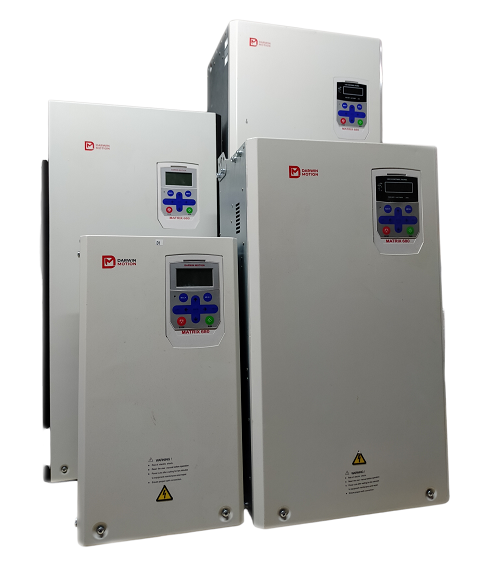
Modern water treatment facilities require dependable automation systems to maintain consistent water flow, regulate pumping operations, and support uninterrupted treatment processes. A Darwin Water Treatment VFD Panel provides a practical solution for managing motor-driven equipment with improved speed regulation and operational flexibility. Designed around variable frequency drive technology, these panels help water treatment operators adjust motor performance according to actual process requirements.
Darwin Motion AC Drive manufacturer offers industrial drive solutions for water and pumping applications, helping businesses improve motor control and manage energy consumption. With an emphasis on industrial automation and drive technology, Darwin Motion supports applications where dependable equipment operation and process control are essential.
A Water Treatment Variable Frequency Drive (VFD) Panel is an electrical control assembly used to regulate the speed of AC motors installed in water treatment plants. It incorporates a variable frequency drive and associated control and protection components to operate compatible pumps, blowers, and other motor-driven equipment.
Instead of operating every motor continuously at a fixed speed, a VFD allows operators or automated control systems to adjust motor speed according to changing flow, pressure, and process demands. This flexibility can help improve system responsiveness and reduce unnecessary mechanical stress.
Water treatment operations involve several connected stages, including raw water intake, filtration, chemical processing, wastewater handling, and treated water distribution. Each stage may require different flow rates and operating conditions. Variable frequency drives make it possible to regulate motor output more effectively while maintaining the required process parameters.
Water treatment facilities use different types of motor-driven equipment to move, filter, aerate, and distribute water. VFD panels can be configured for suitable equipment based on motor specifications, process requirements, and the plant's electrical control architecture.
Raw water intake systems transfer water from reservoirs, collection tanks, and other sources to treatment facilities. A VFD panel allows pump speed to be adjusted according to the required transfer rate, helping operators manage changing operating conditions without relying exclusively on fixed-speed operation.
Filtration systems depend on appropriate water flow to maintain consistent treatment performance. Variable speed control can help regulate the operation of compatible process pumps and support stable flow conditions throughout different treatment stages.
Wastewater treatment plants operate under varying hydraulic and process loads. VFD-controlled pumps can help manage wastewater transfer, sludge handling, and other suitable pumping applications. The drive and panel configuration should be selected according to the pump load, operating environment, and control requirements.
Biological wastewater treatment processes may require blowers to supply air to aeration tanks. Where process conditions permit, variable speed control can regulate blower output according to aeration demand. VFD panels may also be used for compatible auxiliary motors within the treatment facility.
Selecting the right drive technology is an important step toward building a reliable water treatment control system. Darwin Motion provides VFD and industrial automation solutions for applications where motor performance, operating flexibility, and energy-conscious operation are important considerations.
Pumps and blowers can account for a substantial portion of a treatment plant's electricity consumption. When system demand allows a motor to operate below its rated speed, a correctly selected VFD may reduce power consumption compared with continuous full-speed operation. Actual savings depend on the pump or fan characteristics, system design, operating profile, and control strategy.
Controlled motor acceleration and deceleration can reduce abrupt starting and stopping conditions. This may help limit mechanical stress on connected equipment and reduce pressure disturbances in appropriately designed pumping systems.
VFDs enable motor speed to respond to process signals and operating requirements. When integrated with compatible pressure transmitters, flow sensors, level sensors, and controllers, a water treatment panel can support more consistent process regulation.
Modern treatment facilities often require communication between motor control equipment and supervisory automation systems. Depending on the selected drive and panel configuration, suitable control interfaces and communication options can support monitoring, process coordination, and operational visibility.
Every water treatment installation has different electrical, hydraulic, and environmental requirements. A properly engineered panel should match the actual application rather than rely on a one-size-fits-all configuration.
Before selecting a VFD panel, engineers should review motor ratings, pump curves, required flow and pressure ranges, supply voltage, starting frequency, and the operating environment. Additional requirements may include automatic standby pump sequencing, dry-run protection, level-based control, or coordinated operation of multiple pumps.
These functions must be specified and engineered according to the chosen drive, external instrumentation, and control architecture. They should not be assumed to be standard features of every panel.
Consistent treatment performance depends on maintaining suitable operating conditions across interconnected processes. A VFD panel can contribute to this objective by adjusting motor speed in response to demand instead of relying exclusively on fixed-speed operation.
For example, a treated water distribution system may experience changes in demand throughout the day. When paired with suitable feedback instrumentation and correctly configured pressure control, a VFD-controlled pump can adjust its speed to help maintain the required discharge pressure. This approach can improve operating flexibility while helping avoid unnecessary throttling in suitable applications.
Appropriate drive selection, parameter configuration, electrical protection, commissioning, and preventive maintenance remain essential for safe and reliable operation.
Darwin Motion focuses on VFDs, servo drives, and industrial automation solutions for a range of industrial applications. Its drive portfolio includes products intended for different motor control and operating requirements.
Businesses evaluating a water treatment VFD solution can explore the available drive range and identify a configuration suited to their motor and process specifications. Working with the manufacturer during product selection can help establish appropriate drive sizing, control functionality, and application compatibility.
A well-designed Water Treatment VFD Panel can help improve pump control, regulate motor speed, and support efficient operation across water treatment and wastewater management facilities. By matching drive technology to the actual process requirements, plant operators can work toward more consistent flow control, reduced mechanical stress, and better operational flexibility.
Darwin Motion AC Drive manufacturer provides industrial drive solutions that can be evaluated for suitable water treatment and pumping applications. To explore available products and identify an appropriate solution for your installation, visit the Darwin Water Treatment VFD Panel product page.


