Posted on 4th Nov 2026
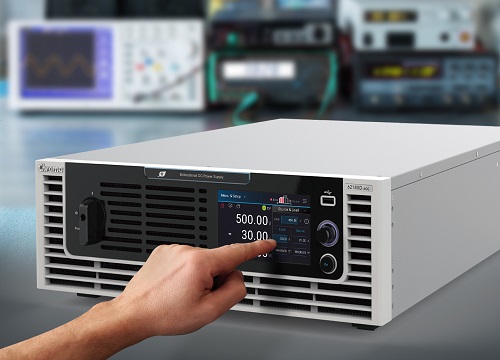
In today's rapidly evolving industrial and electrical engineering landscape, energy efficiency and intelligent power management have become essential requirements. Industries are increasingly adopting advanced technologies that help reduce energy consumption, improve equipment performance, and optimize electrical power utilization. One such innovative technology is the Bi Directional Power Supply.
A bidirectional power supply is an advanced electrical power conversion device that allows electrical energy to flow in two directions. Unlike conventional power supplies that deliver energy in only one direction, a bidirectional system can both supply power to a connected device and absorb power from it.
As an experienced Darwin Motion AC Drive Manufacturer, Darwin Motion focuses on industrial automation, energy-efficient drive technologies, and advanced power management solutions. Bidirectional power technology plays an important role in modern applications such as electric vehicle testing, battery energy storage, renewable energy systems, and industrial automation.
A bidirectional power supply is an electrical device designed to operate in both power-sourcing and power-sinking modes. This means it can deliver electrical energy to a load and receive electrical energy back from that load when required.
In conventional power supplies, electrical energy generally flows from the input source to the output load. However, bidirectional power supplies provide an additional capability by allowing reverse energy flow.
In sourcing mode, the power supply delivers electrical energy to the connected equipment. It converts the incoming electrical power into the required output voltage and current according to the application's requirements.
In sinking mode, the device absorbs electrical energy from the connected equipment. Depending on the system design, this energy can be returned to the electrical grid, supplied back to the DC bus, or transferred to an energy storage system.
One of the most important capabilities of bidirectional power supplies is energy regeneration. Instead of wasting excess electrical energy as heat, regenerative systems can recover and reuse energy, improving overall system efficiency.
A bidirectional power supply consists of several electrical and electronic components that work together to ensure efficient and controlled power conversion.
Bidirectional power supplies offer several advantages for industries that require advanced energy management, electrical testing, and power conversion capabilities.
One of the biggest advantages is improved energy efficiency. The ability to recover electrical energy and return it to the power source reduces energy wastage and helps lower operating costs.
Bidirectional systems can recover energy generated during regenerative braking, motor deceleration, and other energy-producing operations. This recovered energy can be reused within the electrical system.
These systems provide greater flexibility by supporting both charging and discharging operations. This makes them particularly useful in battery testing, energy storage, and renewable energy applications.
By recovering and reusing electrical energy, bidirectional power supplies can reduce unnecessary energy consumption and improve the overall operating economics of industrial systems.
Bidirectional power supplies can simulate different operating conditions, making them useful for testing batteries, inverters, electronic components, and other electrical equipment.
With increasing demand for energy-efficient technologies, bidirectional power supplies are becoming important across multiple industries.
Electric vehicle manufacturers and testing laboratories use bidirectional power supplies to test batteries, onboard chargers, electric motors, and power electronics. These systems support controlled charging and discharging operations.
Bidirectional power supplies are widely used in battery energy storage systems. They allow batteries to store electrical energy during periods of low demand and release energy when required.
Solar and wind energy systems often require efficient energy conversion and storage. Bidirectional power conversion helps manage the movement of electrical energy between renewable energy sources, battery storage, and connected electrical networks.
Industrial automation systems use bidirectional and regenerative power technologies in motor testing, drive systems, and specialized power conversion applications. These technologies help improve energy utilization and operational efficiency.
Research institutions and engineering laboratories use bidirectional power supplies to evaluate electrical equipment under different operating conditions. They can simulate both power-source and power-load behavior.
Bidirectional power supplies can support testing of avionics equipment, electrical systems, and specialized power electronics where accurate voltage and current control are required.
Conventional and bidirectional power supplies differ mainly in their ability to manage electrical energy flow.
When selecting industrial power and automation technologies, choosing an experienced manufacturer is essential for achieving reliable performance and long-term operational efficiency.
Darwin Motion is a recognized name in industrial automation and is an established AC Drive Manufacturer serving industrial customers in India and international markets. The company specializes in Variable Frequency Drives (VFDs), Servo Drives, and advanced industrial drive solutions.
With an emphasis on engineering innovation, product quality, and energy efficiency, Darwin Motion provides drive technologies designed to address different industrial automation requirements.
Darwin Motion also offers regenerative drive technologies that support energy recovery in suitable motor-driven applications. These technologies complement the broader objective of improving industrial energy efficiency.
Selecting the right bidirectional power supply requires careful evaluation of the electrical requirements and operating conditions of the application.
The future of bidirectional power supply technology is closely connected to the development of electric mobility, renewable energy, battery storage, and smart industrial automation.
As industries move toward sustainable energy management, the demand for efficient power conversion systems is expected to increase. Advanced semiconductor devices, intelligent control systems, and improved energy storage technologies will continue to enhance bidirectional power conversion.
A bidirectional power supply is an important advancement in modern power electronics. Its ability to deliver and absorb electrical energy makes it a valuable solution for applications requiring energy regeneration, battery testing, energy storage, and efficient power management.
From electric vehicle testing and renewable energy integration to industrial automation and research laboratories, bidirectional power supplies offer flexibility, improved energy utilization, and advanced power control capabilities.
As an experienced Darwin Motion AC Drive Manufacturer, Darwin Motion continues to focus on industrial automation, advanced VFD technologies, regenerative drives, and energy-efficient solutions. Businesses looking to improve their industrial power management and motor control systems can explore Darwin Motion's range of technologies.
To learn more about bidirectional power technology and its industrial applications, visit: Bi Directional Power Supply – Darwin Motion.
A bidirectional power supply is an electrical device that allows power to flow in two directions. It can deliver energy to a load and absorb energy from the load.
Its primary advantage is the ability to recover and reuse electrical energy, improving energy efficiency and supporting advanced power management.
They are used in electric vehicle testing, battery energy storage, renewable energy systems, industrial automation, research laboratories, and power electronics testing.
A conventional power supply generally delivers power in one direction, whereas a bidirectional power supply can both deliver and absorb electrical energy.
It can recover electrical energy generated during certain operations and return that energy to the source or another suitable part of the system instead of wasting it as heat.
Darwin Motion provides industrial automation and drive technologies, including regenerative drive solutions, and shares technical information about bidirectional power supplies and their applications.


